



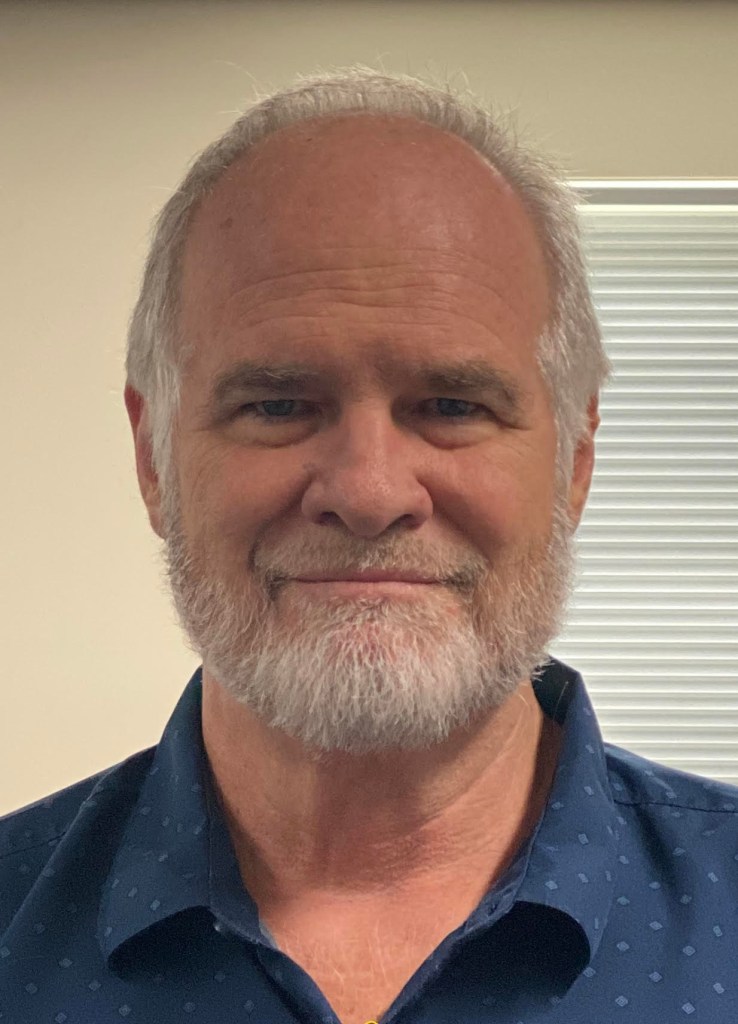
Hal Clary, Biology Teacher, Noble Middle School
A bear reared up on his hind legs — teeth baring, claws ready — is the first thing that greets you as you enter Noble Middle School. It’s not a statue. It has real fur and actual teeth. It’s a taxidermy mount; and, it’s not alone. Continue past the snarling bear down the hallway and you will eventually reach classroom 105 on the left — a biology lab. Inside this lab, are narrow-eyed foxes, glistening waterfowl and slithering snakes all frozen in time.
Carefully sculpted and molded into realistic snap shots of nature, these taxidermy mounts offer a rare look into wild habitats in a way that textbook photos and nature films cannot. At least, that is the intention behind the mounts according to the creator Hal Clary.
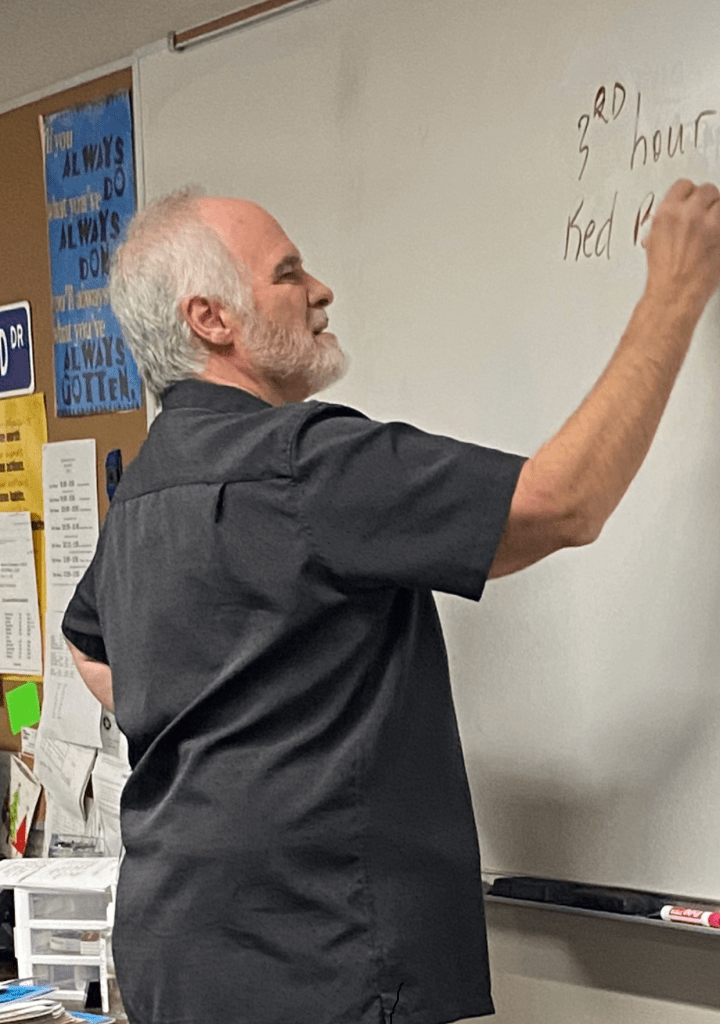
Mr. Clary, a 40-year veteran of Noble Public Schools, is a biology teacher, a basketball coach of 30 years, and — if it’s not already clear — a dang-good taxidermist. As Mr. Clary explains, “Taxidermy and biology are a natural fit. It allows one to capture moments of nature, freeze them in time, and display them in lifelike ways for students to study.”
Of course, not all students like being close to the static snakes that seem to oscillate along staged tree branches or sit next to mounted snapping turtles that look as if they may reanimate at any second. But in addition to some apprehension, these mounts offer students a rare perspective into the life of organisms. They inspire students to imagine organisms living in their natural settings and to engage more deeply with the material.
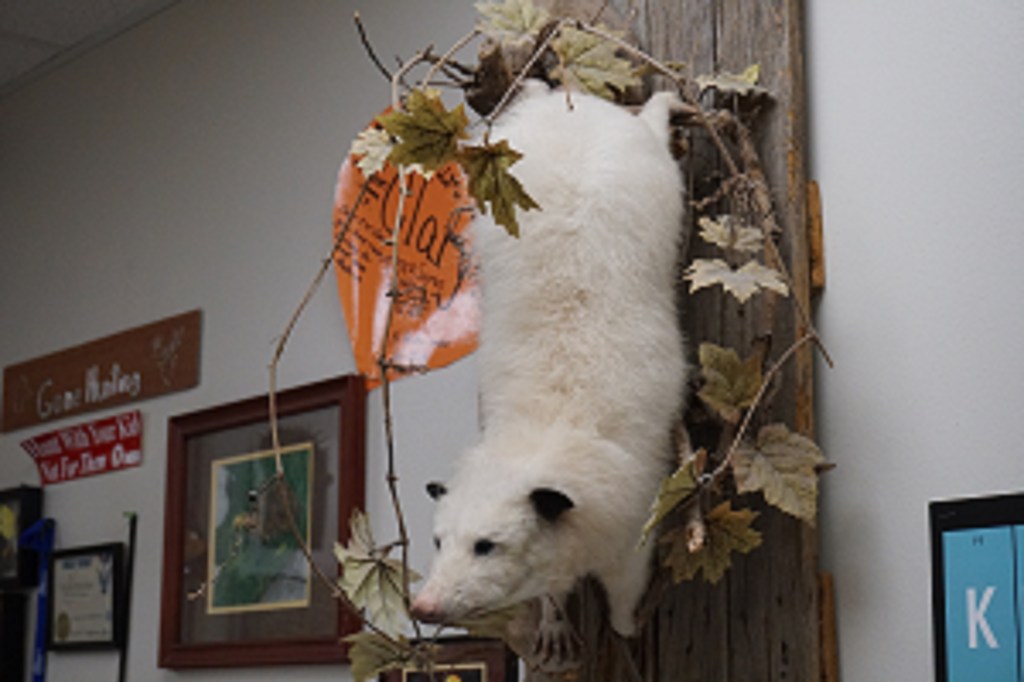
Yet, ask Mr. Clary about the role of taxidermy in teaching biology and he will quickly tell you it’s simply a tool. Sure, it helps some students engage and can encourage interest, but it’s not the most important thing.
“It doesn’t matter if you’re teaching Math, English, History or Science” Mr. Clary explained. “Teaching is about building relationships with students.”
During Mr. Clary’s long tenure at Noble Public Schools, he has had the opportunity to build lasting relationships with many students. However, a few relationships in particular stick out.
“Do you know where I can get a job?”
A student asked as he tapped Mr. Clary on the shoulder. Mr. Clary, who at the time had been teaching for just a few years, turned to see a 7th grade boy dressed in a dark T-shirt and baggie jeans looking up at him. The 7th grade student, Mark, explained that he and his mom were in trouble and on the verge of being evicted from their home. In a last-ditch effort to help his mom, Mark was doing everything in his power to find a job, including asking his new biology teacher — Mr. Clary — if he knew of any openings.
As it turned out, Mark was already too late. When the school bus dropped him off that afternoon, he found his family’s belonging piled on the front stoop. The door was locked. A single piece of yellow paper was stapled to the door: “EVICTION NOTICE.”
During the next couple of days, Mr. Clary and a few other teachers helped Mark and his mother find a place to live. Once the housing crisis was handled, Mr. Clary set his sights on Mark’s academics. Mr. Clary tutored Mark after school, helped him with homework and talked with him about personal challenges and future plans.
When summer arrived, the tutoring sessions—or at least quasi-tutoring sessions—continued. Mark would arrive at 7:30 most mornings, have breakfast at the Clary’s and then study, work or hang out with Mr. Clary until lunch.
When school started again in the fall, Mark moved onto to the 8th grade, but he didn’t forget about Mr. Clary. He continued to drop by the biology lab or Mr. Clary’s house to work on homework or just hangout.
Today, Mark is in his 40s and is still close with Mr. Clary. They speak on the phone regularly and visit in person occasionally.
“Not all relationships you build with students are like that,” Mr. Clary said. “But then again, some are.”
A number of years later, another student in a difficult situation walked into Mr. Clary’s biology lab. Meghan was a new 7th grader. In the month leading up to the start of school, Meghan’s parents divorced. She now lived with her mother and sister in Noble.
The first semester was a difficult adjustment for Meghan. Her mother worked extended hours, money at home was tight and Meghan was the new kid at school. She was doing her best to survive. Through biology, Mr. Clary was able to connect with Meghan. He taught the course material, but he also connected with Meghan as a person.
“When you teach, you’re teaching more than just a subject,” Mr. Clary said. “You’re teaching life lessons, responsibility, how to handle and overcome adversity; you’re building relationships and helping students succeed both academically and in life.”
At the end of the year, Mr. Clary said goodbye to his students as they prepared to leave for summer break. As is his custom, Mr. Clary told his class that if they ever needed help with anything, “Just call.”
After a few years, Mr. Clary ran into Meghan at a Noble basketball game. Meghan was a sophomore in high school. The two talked for a bit and as always, Mr. Clary reminded her to “just call” if she ever needed help.
That same night, around 10 o’clock, Meghan called the Clary home; her mother was sick and in the hospital. Meghan was alone and didn’t know what to do. Mr. and Mrs. Clary went to Meghan and prepared a place for her to stay that night.

Throughout the next several years, Mr. Clary and Meghan’s family grew close. Mr. Clary helped her apply for college, counseled her through difficult decisions and celebrated her achievements. Meghan began referring to Mr. Clary as her second dad.
It has been many years since 7th grade Meghan walked into Mr. Clary’s biology class, but she no longer considers Mr. Clary just one of her teachers, she considers him family. She often remarks that when the day arrives, it will Mr. Clary who walks her down the aisle to be married.
Mr. Clary loves biology, coaching and taxidermy, but more than all those things, it is clear he loves teaching. He loves building relationships with students, pouring into their lives and helping them accomplish their goals.
“Let’s say, on average,” Mr. Clary started. “130 students per year for 40 years, that’s over 5,000 students and families. If you want to make a positive impact in the lives of others, becoming a public-school teacher seems like a great way to do it.”
* The names of students, particular dates, and specific locations have been altered for the purpose of anonymity.
















 I Love Teaching